
La mejor plataforma de ticketing no es la más famosa, sino la que te da control total de tu base de datos, posiciona tu marca al frente y convierte visitantes en compradores de manera eficiente. Una plataforma profesional debe ofrecer integración directa con Stripe, checkout optimizado para móviles, white label completo y métricas en tiempo real que te permitan tomar decisiones mientras tus campañas están corriendo. Al final del día, estás eligiendo si construir tu propio negocio o si vas a alquilar para siempre la audiencia de otro.
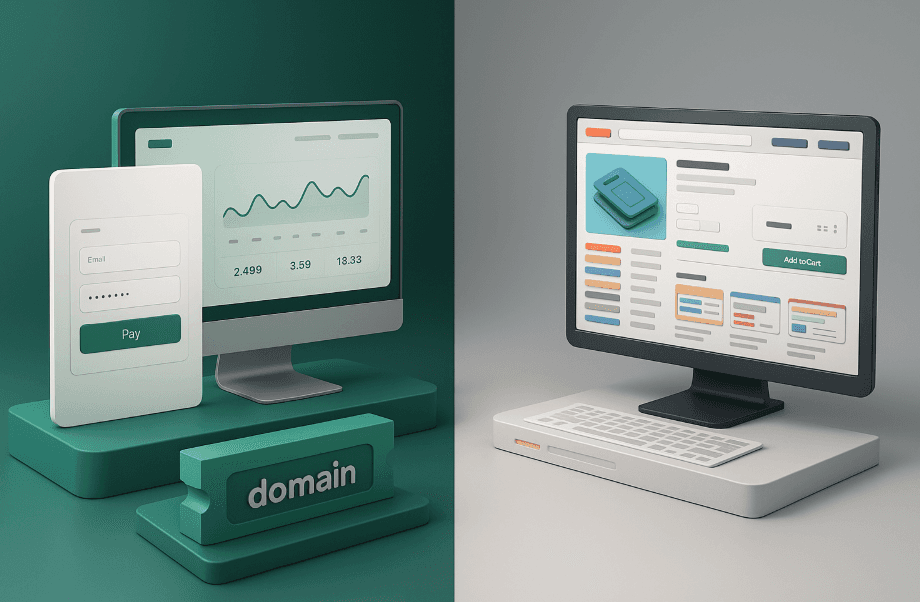
If you're reading this, you're probably in one of these situations:
You need a ticket sales platform right now and don't know which one to choose
You're using a ticketing platform but feel like it's holding you back
You want to truly understand what makes a platform professional (not just the most well-known)
You're wondering why some events sell twice as many tickets with the same marketing budget
The truth is simple: choosing the best ticketing platform isn't just about finding somewhere to "list your event". It's deciding how much control you want, how professional your brand will look, and whether you'll build an asset (your customer database) or just rent someone else's audience.
In this guide you'll find:
The 8 technical criteria that separate amateur platforms from professional ones
Payment models explained straight up (and why some work better for you)
White label vs marketplace: what really changes
Concrete examples of what to look for before signing up
Complete FAQ with questions every organizer has
Let's get to the point.
Best ticketing platform: what it really means (spoiler: it's not the most famous)
When you search "best ticketing platform" on Google, what you really need to know is:
Which one will help me sell more tickets?
It's not just about having a link. It's about conversion, checkout speed, and making sure the purchase process doesn't scare anyone away.
Who gives me control of the data?
The buyer database is the most valuable asset you have. If the ticketing platform keeps that info and only "lends" you limited access, you're building someone else's business.
Is my brand front and center or does the platform overshadow me?
When someone buys a ticket, do they feel like they're buying your event or that they're on "the ticketing site where your event is one among thousands"?
Is the payment system local or does it complicate things?
In the US, if you don't integrate Stripe properly along with credit cards, ACH, and Apple Pay, you're losing conversions. Buyers expect familiar payment methods, not weird workarounds.
The best ticketing platform in 2025 delivers this:
Feature | Why it matters |
|---|---|
White label | Your event looks professional, not generic |
Custom domain | You build your brand, not the platform's |
Your database | You can do remarketing, email, and customer retention |
Direct payment | They don't hold your money for weeks |
AI remarketing | Automatically recover abandoned cart sales |
Real-time dashboard | Make decisions with data, not guesses |
24/7 chatbot | Handle buyer questions automatically, even at 3 AM, without losing sales |
Support | Get real help fast when something happens; avoid endless ticket queues |
Concrete example:
A concert promoter in Austin tested two platforms with the same event on different dates. With the traditional platform, they sold 450 tickets. With Fanz (white label, optimized checkout, AI remarketing), they sold 680 with the same ad budget. The difference: 51% better conversion.
Payment models: how they work (and why it changes everything)
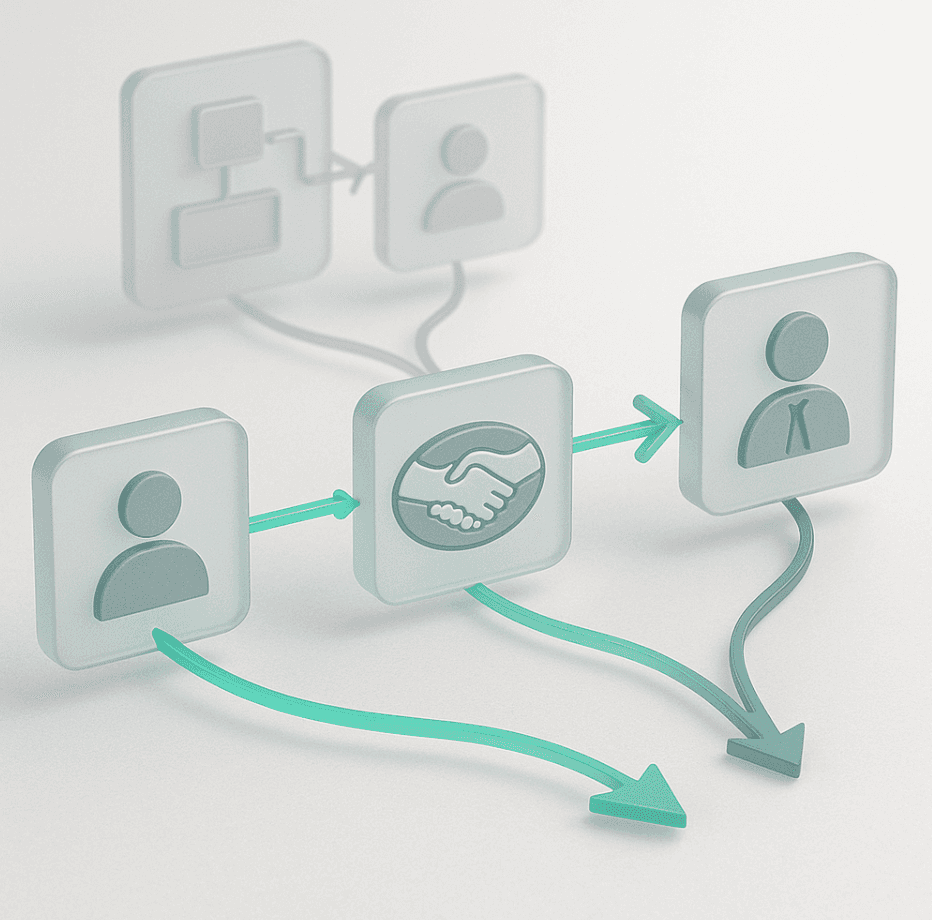
This is where many organizers get confused. Not all payment systems work the same way, and it directly impacts your bottom line and cash flow.
Direct Stripe integration: the US standard
In the US, Stripe integration is non-negotiable. It's what people know, trust, and have set up on their devices, along with Apple Pay for mobile users.
A modern payment platform:plataforma que cobra directamente sin intermediarios
Connects directly with Stripe
Shows all options (credit cards, ACH, Apple Pay, installments)
Money goes from Stripe to your account, not to the ticketing platform first
Why this is key:
Immediate liquidity: You don't wait 30 days for "the platform to pay you out"
Total transparency: You see exactly what comes in, what goes out, what fees were charged
Fewer intermediaries: Fewer hands touching your money = fewer problems
Payment models: old vs. modern
Traditional model (complicates your life):
Buyer pays
Ticketing platform holds that money
You wait weeks
They deduct commissions (sometimes you didn't know the exact amounts)
They "pay you out" when they decide
Modern model (gives you control):
Buyer pays
Stripe processes
Credits directly to your account according to their commercial timelines (2-7 business days)
Ticketing platform charges their transparent service fee, but doesn't hold your money
Service fee structure: the fine print that matters
Look, all models charge fees. What matters is how and how much you keep net.
You'll typically find:
Percentage commission on ticket value (3% to 15%)
Fixed fee per ticket sold
Payment processing fee
Service fee that the buyer sees (or doesn't)
Key point: A platform that says "we only charge 5%" but then adds 3.5% Stripe fees + $2.50 fixed per ticket, could end up costing more than one that says "10% all-inclusive".
Always ask this question: "If I sell a $100 ticket, how much do I keep net in my account?"
That's the only number that matters.
Event platforms: white label vs. marketplace (the decision that defines your brand)
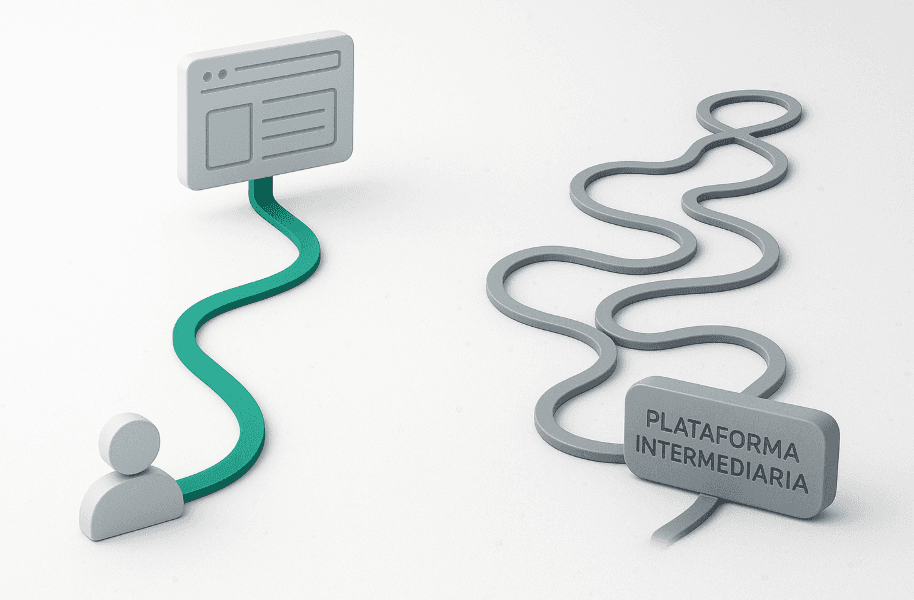
This is one of the most important and most ignored points when choosing a ticket sales platform.
Traditional marketplace: the "everyone in the same bag" model
How it works:
All events coexist on the same site
The strong brand is "the famous ticketing company"
Your event is at: ticketingsite.com/your-long-event-name-123
Generic design, same for everyone
Platform cross-promotes: "Similar events", "You might also like"
Advantages:
Sometimes you get some "organic traffic" from the marketplace (though usually minimal and poorly qualified)
Disadvantages:
Your brand doesn't exist, everything is the ticketing company's brand
Your audience sees competitor offers while buying
Generic design, zero differentiation
Database is usually "shared" or with limited access
You can't control the complete experience
Real example:
Imagine you're organizing a premium electronic music festival. Your audience enters to buy and sees banners for a job fair and a kids' soccer tournament. Completely breaks the experience.
White-label ticketing: your event, your brand, your control
How it works:
Site under your domain: yourevent.com or tickets.yourbrand.com
100% customized design with your identity
Purchase process reflects your branding end-to-end
Buyers feel like they're on your site, not a generic ticketing platform
Your customer base is yours, not the platform's
Real advantages:
Build brand every time someone buys
Professionalism: clearly not "the neighbor's event"
Total control of the experience
Direct retargeting: your pixel, your data, your audience
Scalability: when you grow, you don't have to migrate everything
With Fanz, for example:
Each organizer gets their own event microsite. The checkout, emails, everything follows the event's visual identity. People don't even know there's a platform behind it; to them, they bought directly from your website.
Honest question:
Are you building your brand or are you building the ticketing platform's brand?
Sales platforms: 8 technical criteria you can't ignore
Beyond pretty marketing, a professional sales platform has to deliver on these things without fail:
1. Stable architecture (that doesn't crash when you sell the most)
The problem:
You announce the sale, thousands of people enter at the same time, and the site crashes. You lost credibility and money.
What to look for:
Does the platform have a history of outages?
Do they use scalable cloud infrastructure?
What happens when 5,000 users are buying simultaneously?
Real case:
A major techno event in Chicago had to pause presales because the platform collapsed. When they came back online 3 hours later, the FOMO was gone. They sold 40% less than projected.
2. Fast, mobile-first checkout
The hard data:
More than 70% of ticket purchases happen on mobile. If your checkout isn't optimized for mobile, you're losing 7 out of 10 potential sales.
Must-haves:
Loads in under 2 seconds
Forms with autocomplete
Everything visible without zooming
Large buttons, easy to tap
Minimal steps (ideally, single-page checkout)
Benchmark:
For every additional second of load time, you lose ~7% conversion. A checkout that takes 5 seconds could be losing 35% of sales just due to speed.
3. Real-time metrics (know, don't guess)
A modern platform should show you in real time:
How many tickets you've sold in recent hours
Which ticket types are selling most
Which channels are driving converting traffic
Attendance projection
Alerts when a section sells out
Why it matters:
With real-time data, you can adjust campaigns while they're running. If you see Instagram converting twice as much as Facebook, you shift budget. If a section is filling up fast, you announce on social to create urgency.
Without real-time data, you're flying blind.
4. Integration with your ecosystem (Google, Facebook, Mailchimp, etc.)
Your event platform doesn't exist in isolation. It needs to integrate with:
Facebook Pixel: for remarketing and conversion tracking
Google Analytics: to understand the complete funnel
Mailchimp / SendGrid: for email marketing
Your CRM: if you have one
Red flag:
If the platform is a "black box" without integrations, you'll have to do everything manually. That doesn't scale.
5. Complex event management without going crazy
Not all events are "one date, one price, done". Sometimes you need:
Multiple dates and times
Different sections (floor, balcony, VIP)
Tiered pricing (early bird, regular, last minute)
Discount codes with complex rules
Combo tickets (e.g., "3-day pass" includes X, Y, Z)
The best platform lets you configure this without needing a developer every time.
6. AI and automation (that actually works)
Today there are AI tools that already work (it's not just hype):
AI cart recovery:
Someone adds tickets to cart but doesn't complete purchase. AI automatically sends personalized follow-up messages via email or SMS to recover that sale.
Intelligent chatbots:
Handle common questions 24/7. "What time does it start?", "Can I get refunds?", "Is there parking?" - answered instantly without human intervention.
Dynamic pricing suggestions:
Based on demand patterns, suggests optimal pricing adjustments.
Real impact:
A music festival in Miami recovered 23% of abandoned carts using AI remarketing. That's literally thousands of dollars in recovered revenue that would have been lost.
7. Customer support that responds (not disappears)
When your event is tomorrow and something breaks, you need:
Human support in under 2 hours
Phone support for urgent issues
Platform knowledge - not just "have you tried restarting?"
Warning signs:
Only chat or email support
"We'll get back to you in 2-3 business days"
Support that clearly doesn't know the platform
8. Transparent reporting (no hidden numbers)
You should be able to see clearly:
Every transaction and fee
Refund details
Sales by channel, day, hour
Customer information you can export
Tax reports ready for your accountant
If the platform makes it hard to understand where your money comes from and goes, find another one.
FAQ: The questions every organizer asks
How much does a professional ticketing platform cost?
It depends on the model:
Percentage-based: 3-12% per ticket sold
Fixed monthly: $50-500/month + lower percentages
Hybrid: Small monthly fee + moderate percentage
For events selling 500+ tickets, usually percentage-based is simpler. For large organizers (2000+ tickets/month), fixed pricing often works better.
Real tip: Calculate based on your projected volume. A platform charging 8% might be cheaper than one charging $200/month + 4% if you sell few tickets.
Can I migrate my customer database between platforms?
Depends on the platform:
White label platforms: Usually yes, you own the data
Traditional marketplaces: Often limited or restricted access
Always ask: "Can I export all customer data including email, purchase history, and preferences in CSV format?"
If they say no or make it complicated, that's a red flag.
What payment methods should I offer in the US?
Essential:
Credit/debit cards (Visa, Mastercard, Amex)
Apple Pay (crucial for mobile)
Google Pay
Nice to have:
ACH bank transfers (for high-value tickets)
Buy now, pay later (Klarna, Afterpay) for expensive events
The platform should handle all payment processing transparently through Stripe or similar.
How do I know if a platform can handle my event size?
Ask these questions:
"What's the largest simultaneous user load you've handled?"
"Can you show me uptime statistics for the last 6 months?"
"What happens if we get 10x more traffic than expected?"
Good platforms will have specific numbers and disaster recovery plans.
Should I charge service fees to buyers or absorb them?
It depends on your market position:
Charge service fees when:
You're in a competitive market
Price is already at market ceiling
Buyers expect service fees (like concerts)
Absorb fees when:
You want pricing simplicity
You're premium positioning
You can afford the margin impact
Hybrid approach: Absorb small fees ($2-3), charge larger ones. Most buyers accept reasonable service fees.
What about refunds and event cancellations?
Your platform should handle:
Partial refunds with custom amounts
Full event cancellation with automatic refund processing
Refund fees (who pays Stripe processing fees for refunds)
Date changes without requiring refunds
Ask specifically: "If I need to refund 1,000 tickets, can you process all at once, and how long does it take?"
How important is mobile optimization really?
Critical. Data shows:
70%+ of ticket purchases start on mobile
58% complete the purchase on mobile
Mobile-optimized checkouts convert 40% better
Test any platform on your phone before committing. If it feels clunky to you, it'll feel clunky to your customers.
Conclusion: Choose the platform that builds YOUR business
After reviewing hundreds of events and platform comparisons, here's what separates organizers who grow from those who struggle:
They treat ticketing as a marketing and customer acquisition tool, not just a payment processor.
The best ticketing platform for you:
Gives you control of your customer data
Makes your brand look professional
Converts browsers to buyers efficiently
Provides actionable data for decisions
Scales with your business growth
Whether you choose Fanz or another platform, make sure it checks these boxes.guía completa para vender tickets online Your future self (and bank account) will thank you.
Ready to see the difference? Book a demo and see how a professional platform handles your specific event needs.
¿Cuál es la mejor plataforma de ticketing para eventos en Argentina?
La mejor plataforma de ticketing no es necesariamente la más famosa, sino la que te da control total de tu marca y datos. Debe ofrecer white label con dominio personalizado, integración directa con sistemas de pago locales, dashboard en tiempo real, y que mantengas el 100% de tu base de datos de clientes. Una plataforma profesional también incluye remarketing con IA, chatbot 24/7 y soporte técnico rápido. Lo más importante es que cuando alguien compra una entrada, sienta que está comprando tu evento, no que está en un sitio genérico donde tu evento es uno más entre miles.
¿Qué diferencia hay entre marketplace y white label en plataformas de ticketing?
En un marketplace tradicional, todos los eventos conviven en el mismo sitio con diseño genérico, tu evento queda en algo como sitiotickets.com/tu-evento-123, y los compradores ven ofertas de la competencia mientras compran. Con white label, tenés tu propio dominio como tuevent.com, diseño 100% personalizado con tu identidad visual, y los compradores sienten que están en tu sitio web oficial. La diferencia clave es que con white label construís tu marca cada vez que alguien compra, mientras que en marketplace construís la marca de la plataforma. Un ejemplo real: un promotor de Austin vendió 450 entradas con plataforma tradicional y 680 con la misma publicidad usando white label, 51% mejor conversión.
¿Cómo funcionan los sistemas de pago en las plataformas de ticketing profesionales?
Las plataformas modernas usan integración directa con procesadores como Stripe, donde el dinero va directo a tu cuenta en 2-7 días hábiles según los tiempos comerciales del procesador. La plataforma no retiene tu dinero. En el modelo tradicional problemático, la plataforma recibe el pago, lo retiene semanas, deduce comisiones que a veces no conocés exactamente, y te paga cuando ellos deciden. Una plataforma profesional debe mostrar todos los métodos de pago populares, procesar todo transparente a través de Stripe, y darte visibilidad completa de cada transacción y comisión. Siempre preguntá: si vendo una entrada de 100 pesos, cuánto me queda neto en mi cuenta.
¿Qué características técnicas debe tener una plataforma de ticketing profesional?
Una plataforma profesional debe tener arquitectura estable que no se caiga cuando vendés más entradas, checkout rápido optimizado para móvil que cargue en menos de 2 segundos, métricas en tiempo real para tomar decisiones con datos y no adivinanzas, integración con Facebook Pixel y Google Analytics, manejo de eventos complejos con múltiples fechas y precios, IA para recuperar carritos abandonados y chatbot 24/7, soporte técnico que responda en menos de 2 horas, y reportes transparentes donde veas cada transacción y comisión. El checkout móvil es crítico porque más del 70% de las compras de entradas pasan por celular.
¿Cuánto cuesta una plataforma de ticketing profesional y cómo se calculan las comisiones?
Los modelos varían: porcentaje por entrada vendida del 3% al 12%, mensual fijo de 50 a 500 dólares más porcentajes menores, o híbrido con cuota pequeña más porcentaje moderado. Para eventos de 500+ entradas, el modelo por porcentaje suele ser más simple. Para organizadores grandes con 2000+ entradas por mes, el pricing fijo suele convenir más. Pero ojo con la letra chica: una plataforma que dice cobrar 5% pero después suma 3.5% de Stripe más 2.50 dólares fijos por entrada, puede salir más caro que una que dice 10% todo incluido. Calculá siempre en base a tu volumen proyectado y preguntá exactamente cuánto te queda neto por cada entrada vendida.
Tags